
Abstract
Platform engineering is transforming how enterprises deliver software at scale, bridging the gap between DevOps, SRE, and developer experience. ServiceNow, with its robust capabilities in forms, tables, flows, orchestration, and integrations, has become a cornerstone for automation pipelines and internal developer platforms (IDPs). This article explores the landscape of platform engineering without ServiceNow, examining the challenges, limitations, and alternative approaches. It contrasts the seamless orchestration and automation possible with ServiceNow against the complexities of building and maintaining similar capabilities using disparate tools. The analysis covers the fundamentals of platform engineering, the evolution of internal developer platforms, and the critical role of ServiceNow in enabling self-service, automation, and integration. The discussion concludes with best practices, patterns, antipatterns, and recommendations for organizations seeking to maximize the value of platform engineering, with or without ServiceNow.
Introduction
The rapid evolution of software delivery has led to the emergence of platform engineering as a discipline focused on building scalable, reliable, and developer-friendly platforms. As organizations strive to accelerate innovation, reduce toil, and improve governance, internal developer platforms (IDPs) have become essential. ServiceNow, with its powerful automation, orchestration, and integration features, is often at the heart of these platforms. But what happens when ServiceNow is not part of the equation? This article explores the implications, challenges, and strategies for platform engineering without ServiceNow, offering a comprehensive analysis for technology leaders, platform engineers, and enterprise architects.
Understanding Platform Engineering
Definition and Scope
Platform engineering is the practice of designing, building, and maintaining platforms that provide foundational services for both business applications and the software delivery lifecycle (Erickson, 2023). Unlike traditional IT operations, platform engineering emphasizes automation, self-service, and developer experience, often through the creation of internal developer platforms (IDPs).
Key Components
- Hardware and Software Platforms: Encompass compute, storage, network, operating systems, and container orchestrators.
- Software Delivery Platforms: Include version control, CI/CD, artifact repositories, infrastructure as code, and monitoring.
- Internal Developer Platforms (IDPs): Bespoke platforms that unify and abstract the complexity of the underlying systems, enabling self-service for developers (Platform Engineering Community, 2023).
Evolution from DevOps and SRE
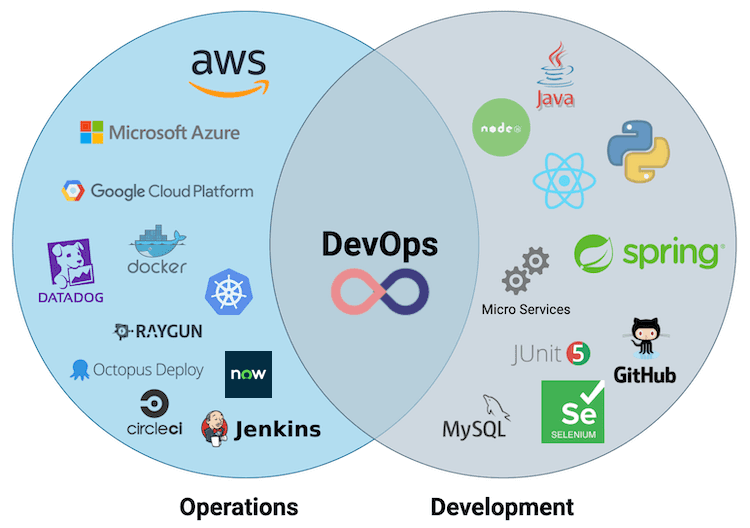
Platform engineering builds upon DevOps and Site Reliability Engineering (SRE) by formalizing the creation of reusable, standardized platforms. It addresses the growing complexity of modern software delivery, allowing developers to focus on business logic while platform teams handle infrastructure, compliance, and automation (Skelton, 2022).
The Role of ServiceNow in Platform Engineering
ServiceNow as a Platform Enabler
ServiceNow is more than an IT service management (ITSM) tool; it is a powerful platform for workflow automation, orchestration, and integration (ServiceNow, 2024). Its capabilities include:
- Forms and Tables: Custom data models and user interfaces for capturing and managing information.
- Flows and Orchestration: Visual workflows that automate multi-step processes across systems.
- Integrations: Native connectors and APIs for REST, SOAP, CLI, and third-party tools.
- Script Execution: Ability to fetch and run scripts (Python, Shell, PowerShell) from repositories like GitHub.
- Self-Service Portals: User-friendly interfaces for requesting and managing services.
Automation Pipelines and IDPs
With ServiceNow, platform engineering teams can create automation pipelines that leverage self-service forms to trigger flows, orchestrate application deployments, and integrate with tools such as Ansible, Jenkins, Chef, GitHub, and HashiCorp Vault. This enables end-to-end automation, from provisioning infrastructure to deploying code and capturing logs for monitoring and AI/ML-driven insights (ServiceNow, 2024).
Platform Engineering Without ServiceNow: Challenges and Gaps
Fragmentation and Complexity
Without ServiceNow, organizations often rely on a patchwork of tools to achieve similar outcomes. This can lead to:
- Fragmented User Experience: Developers interact with multiple portals, APIs, and CLI tools, increasing cognitive load.
- Manual Integrations: Building and maintaining custom integrations between disparate systems is time-consuming and error-prone.
- Limited Orchestration: Orchestrating complex workflows across systems (e.g., code deployment, infrastructure provisioning, ticketing) requires significant engineering effort.
Self-Service and Automation Limitations
ServiceNow’s self-service capabilities are difficult to replicate without a unified platform. Alternatives may lack:
- Dynamic Forms and Data Models: Creating flexible, user-friendly interfaces for service requests.
- End-to-End Flow Automation: Seamlessly triggering and tracking multi-step processes.
- Centralized Governance: Enforcing compliance, security, and auditability across the platform.
Observability and Feedback Loops
ServiceNow’s integration with monitoring and ticketing enables real-time observability and feedback. Without it, support teams may struggle to:
- Aggregate Logs and Metrics: Collect and correlate data from multiple systems.
- Automate Incident Response: Trigger remediation workflows based on alerts and events.
- Train AI/ML Models: Gather consistent, structured data for AIOps initiatives.
Core Capabilities Enabled by ServiceNow
Forms, Tables, and Data Management
ServiceNow’s flexible data models and forms allow platform teams to create custom interfaces for everything from server provisioning to application deployment. These forms can dynamically populate options from external systems (e.g., available images from GitHub, secrets from Vault) and enforce validation and approval workflows.
Flows and Orchestration
ServiceNow’s Flow Designer and Orchestration modules enable visual, low-code automation of complex processes. Flows can:
- Trigger on form submissions or external events.
- Orchestrate tasks across systems (e.g., create VMs, deploy containers, update DNS).
- Integrate with REST, SOAP, CLI, and custom scripts.
- Handle approvals, notifications, and error handling.
Integrations and Extensibility
ServiceNow’s integration hub supports connectors for popular DevOps and IT tools, including:
- Jenkins, Ansible, Chef: Automate CI/CD and configuration management.
- GitHub: Fetch code, scripts, and configuration data.
- HashiCorp Vault: Retrieve secrets and credentials securely.
- Kubernetes, Docker, HELM: Manage containerized workloads.
Observability and AIOps
ServiceNow aggregates logs, metrics, and events from integrated systems, linking them to incidents and change requests. This enables:
- Real-Time Monitoring: Support teams can monitor platform health and performance.
- Automated Remediation: Flows can trigger self-healing actions.
- AI/ML Training: Data can be used to improve predictive analytics and AIOps capabilities.
Alternative Approaches: Building Without ServiceNow
Open Source and Commercial Alternatives
Organizations may attempt to replicate ServiceNow’s capabilities using a combination of:
- Developer Portals: Backstage, Port, or custom web applications.
- Workflow Engines: Apache Airflow, Camunda, or Argo Workflows.
- Integration Platforms: MuleSoft, Zapier, or custom middleware.
- Custom Scripts and APIs: Python, Bash, PowerShell, REST APIs.
Challenges and Trade-Offs
- Integration Overhead: Maintaining connectors and data flows between systems is complex.
- User Experience: Achieving a unified, intuitive self-service experience is difficult.
- Governance: Enforcing consistent policies and auditability across tools is challenging.
- Scalability: Scaling custom solutions to support enterprise needs requires significant ongoing investment.
Patterns, Antipatterns, and Best Practices
Patterns
- Golden Paths: Prebuilt templates and workflows that standardize best practices.
- Self-Service Portals: Unified interfaces for developers to request and manage resources.
- Centralized Data Models: Single source of truth for configuration and inventory.
Antipatterns
- Tool Dictatorship: Forcing developers to use unfamiliar tools without support.
- Siloed Platforms: Building isolated solutions that do not integrate with existing workflows.
- Over-Engineering: Creating overly complex platforms that are difficult to maintain.
Best Practices
- Iterative Development: Start with an MVP and iterate based on feedback.
- Collaboration: Engage developers and stakeholders in platform design.
- Automation First: Prioritize automation and self-service to reduce manual toil.
Future Directions and Recommendations
ServiceNow’s ongoing investment in AI, machine learning, and low-code/no-code development positions it as a foundational platform for the next generation of platform engineering. As organizations embrace cloud-native architectures, microservices, and AIOps, the need for integrated, automated, and intelligent platforms will only grow.
- Hybrid Approaches: Combining ServiceNow with open-source tools for specialized needs.
- AI-Driven Automation: Leveraging ServiceNow’s data for advanced AIOps.
- Continuous Improvement: Regularly assessing platform effectiveness and developer satisfaction.
Case Studies and Practical Examples
Example 1: Automated Server Decommissioning
- With ServiceNow: User submits a decommission request; ServiceNow triggers flows to orchestrate shutdown, data wipe, and asset updates across integrated systems.
- Without ServiceNow: Multiple manual steps, custom scripts, and coordination across teams.
Example 2: SAN/NAS Automation
- With ServiceNow: Self-service form triggers automated provisioning and configuration of storage resources.
- Without ServiceNow: Manual ticketing, email coordination, and error-prone processes.
Example 3: Code Deployment to Containers
- With ServiceNow: Flow orchestrates code retrieval from GitHub, builds containers with Docker, deploys via Kubernetes/HELM, and logs results.
- Without ServiceNow: Developers must manually coordinate CI/CD, containerization, and deployment steps.
Conclusion
Platform engineering is essential for modern software delivery, enabling organizations to scale, automate, and innovate. ServiceNow provides a powerful foundation for building internal developer platforms, offering unmatched capabilities in automation, orchestration, and integration. While it is possible to build similar platforms without ServiceNow, the effort, complexity, and risk are significantly higher. Organizations should carefully assess their needs, resources, and strategic goals when choosing their platform engineering approach.
References
- Erickson, J. (2023). The Platform Engineering Handbook. O’Reilly Media.
- Platform Engineering Community. (2023). What is Platform Engineering? Retrieved from https://platformengineering.org/
- ServiceNow. (2024). ServiceNow Platform Capabilities. Retrieved from https://www.servicenow.com/
- Skelton, M. (2022). Team Topologies: Organizing Business and Technology Teams for Fast Flow. IT Revolution Press.